For many Canadian startups, the United States Patent and Trademark Office (USPTO) has been, is, and will remain a critical and expensive jurisdiction for their IP portfolios. When you factor in the exchange rate, those official fees (i.e., filing, search, examination, and maintenance fees) hurt. The USPTO provides discounts for small (50%) and micro (80%)...Read More
When Barry and Wyatt Dusome first took on the Canadian Intellectual Property Office (CIPO) without legal representation, they beat long odds. We wrote about that rare victory in the area of patent eligibility. In 2025, the Federal Court found that the Commissioner of Patents had erred by failing to apply proper purposive construction to their...Read More
Plant breeders’ rights are a quiet corner of Canadian intellectual property. For decades, the Plant Breeders’ Rights Act (PBRA) functioned more like a registration system than a source of litigation. Breeders registered new varieties, seed companies licensed them, farmers bought certified seed, and the system largely ran without concrete examples of what could happen to...Read More
Founders and executives often view provisional patent applications as a low-cost way to lock in intellectual property while preserving flexibility. There is some truth to that, as a well-prepared provisional application can be an effective strategic tool. However, sometimes you don’t have time for a thorough patent application, and you risk invalidation. A bigger issue...Read More
You have filed your patent application, so you can relax? Sadly, no. An important, and oft-misunderstood obligation in U.S. patent practice is the duty to submit to the patent office all information you know that is material to the patentability of your company’s invention. IP managers and founders are well served by mastering Information Disclosure...Read More
Canadian Intellectual Property Office (CIPO) has laid out a five‑year business strategy that directly affects how patents will be examined. For inventors, companies, and IP professionals, the plan signals CIPO’s intent to change. However, we will see if there are meaningful changes in pendency, quality, digital tools, and policy. Background CIPO is the federal agency...Read More
Patent protection and design protection serve different purposes in an Intellectual Property (IP) strategy. Although both are registered rights, they protect different aspects of a creation, have different legal tests, and follow different filing and maintenance rules. What Design Protection Covers An industrial design (Canada) or design patent (U.S.) protects the visual appearance of a...Read More
If you are steering a growing Canadian business, your first instinct is likely to look to the United States for sales or across the Pacific for manufacturing. But let’s take a look at what is already functioning right here in our own hemisphere. Under our current trade agreements, North America operates as a single, highly...Read More
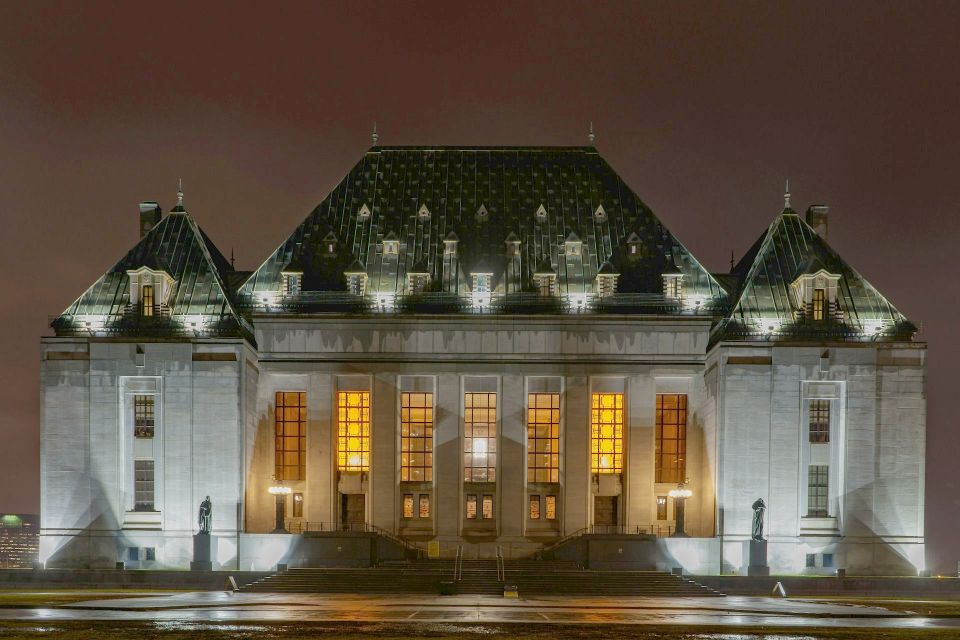
On July 17, 2026, the Supreme Court of Canada released its long-awaited decision in Pharmascience Inc. v. Janssen Inc., 2026 SCC 26. In a significant ruling for pharmaceutical patentees and generic manufacturers, the Court dismissed the appeal and affirmed both the continued existence of the methods-of-medical-treatment doctrine and the validity of Janssen’s patent covering dosing...Read More
Effective July 20, 2026, the USPTO will prohibit foreign‑domiciled applicants from representing themselves in patent matters. This change applies broadly, without grandfathering based on filing date, and will require all foreign‑domiciled applicants, including Canadians, to use a registered patent practitioner, such as a Canadian patent agent with privileges before the USPTO. Definition of terms The...Read More