Patent protection and design protection serve different purposes in an Intellectual Property (IP) strategy. Although both are registered rights, they protect different aspects of a creation, have different legal tests, and follow different filing and maintenance rules.
What Design Protection Covers
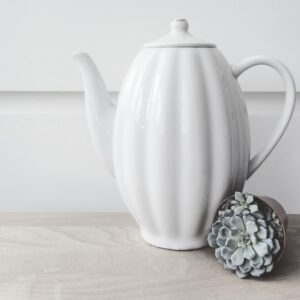
An industrial design (Canada) or design patent (U.S.) protects the visual appearance of a product — its aesthetic features, not its function.
Design protection covers the shape, configuration, ornamentation, or any combination of these features. This type of IP Right (IPR) is common in automobiles, consumer goods, and garments, but it also applies in software industries, including electronic icons and graphical user interfaces.
Is it a patent?
The U.S. government calls these IPRs “patents” because they are enacted under the US Constitution, Article I, Section 8, Clause 8 that gives the federal government the power to issue “patents”. The rest of the world refers to these as industrial designs or registered industrial designs.
Key characteristics of design protection
- Protects how a product looks, not how it works
- Covers two‑ or three‑dimensional aesthetic features
- Applies to items like cameras, cars, cutlery, fonts, GUIs, phones, and wallpaper
- Infringement is based on visual similarity
The U.S. test for infringement is the ordinary observer test: If an ordinary purchaser, giving normal attention, would think the accused design is substantially the same as the patented design, and could be deceived into buying one thinking it is the other, infringement occurs.
Novelty requirement
- Canada: The design must be novel in a limited sense, meaning the creator can file within one (1) year of disclosure.
- U.S.: Similar to Canada.
- Most other jurisdictions: absolute novelty — no prior disclosure allowed.
Cost and prosecution
Design protection is much cheaper than patent protection. As your reference notes:
- The prosecution costs for a design right are lower than those in patents.
- Most of the budget goes toward drawings and strategy, including stippling, view selection, and claim scope.
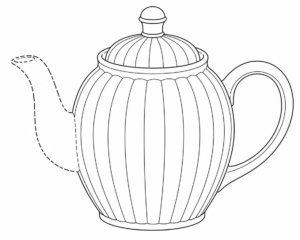
- There is an art to the text of the application, what views to include, and determining which lines should be stippled — dotted — as these are not part of your claim and broaden your rights.
Term and fees
- Canada: 15 years from filing, with one (1) maintenance fee.
- U.S.: 15 years from grant, no maintenance fees.
What Patent Protection Covers
Patents protect functional inventions — how something works, how it is made, or how it is used.
Key characteristics of patent protection
Patents are stronger rights than designs because they block competitors from using the underlying technology, not just the look of the product.
A patent:
- Protects functional features, not appearance
- Covers systems, devices, articles of manufacture, compositions of matter, and methods
- Requires novelty, inventive step, and utility
- Infringement is based on technical features, not visual similarity
- Much higher cost and longer prosecution than designs
- Requires maintenance fees in most jurisdictions
- Term is typically 20 years from filing
When to Use Each Right
The question of whether you can use design rights as part of your IP protection needs to be assessed on a case-by-case basis for each company, but here are some general remarks.
Use design protection when:
- The look of the product drives consumer choice
- You want fast, inexpensive, and incomplete protection
- You need to protect product appearance, UI/UX, or brand aesthetics
- You want medium‑strength protection at low cost
Use patent protection when:
- The invention’s function is the competitive advantage
- You want to block competitors from using the technology itself
- You need strong, enforceable rights for licensing, investment, or market exclusivity
Use both when both situations apply.
Most successful consumer products use both:
- Patents protect the technology
- Designs protect the appearance
This dual strategy is common in electronics, automotive, medical devices, and software interfaces.
Design is an Overloaded Term
People often come to us asking about protection of their design. We need to follow up to clarify whether they mean their invention or their aesthetic creations. Sometimes they want protection for both.
Bottom Line
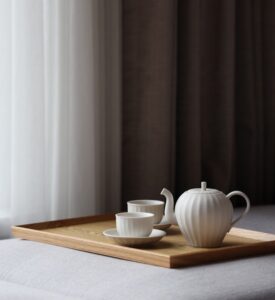
Design protection covers the visual appearance of a product — its shape, configuration, ornamentation, or any combination of these features. It is inexpensive, fast, and lasts up to 15 years. It is ideal for consumer products, automotive components, and software interfaces.
Patent protection covers functional inventions — how something works or is made. It is more expensive, more complex, and provides stronger, broader protection for 20 years.
Most companies benefit from using both: patents to protect the technology, and designs to protect the look.
Conclusion
If you would like to discuss protecting your product with a design right or a patent application, please contact us.